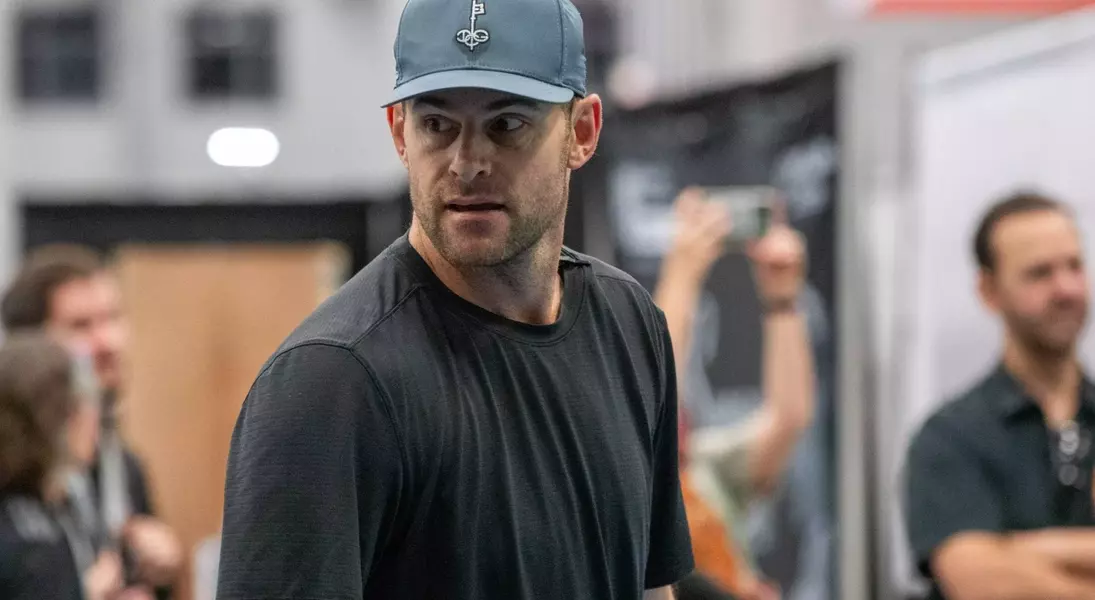
Former world number one Andy Roddick has openly criticized the prolonged 12-day schedule of the Shanghai Masters ATP 1000 tournament, especially considering its late-season placement and the demanding hot and humid conditions in Shanghai. His commentary comes in the wake of several high-profile player retirements, such as Casper Ruud and Jannik Sinner, who succumbed to physical exhaustion and cramps. Roddick highlighted the combined stress of the weather and historically poor air quality in Shanghai, suggesting that the current tour structure places an unsustainable burden on athletes and ultimately detracts from the fan experience.
Tennis Legend Andy Roddick Raises Concerns Over Shanghai Masters Tournament Length and Player Health
On Wednesday, October 8, 2025, former world number one Andy Roddick expressed significant reservations about the structure of the Shanghai Masters ATP 1000 event during a segment on his podcast, 'Served with Andy Roddick.' Roddick specifically targeted the tournament's 12-day duration, arguing that it is excessively long, particularly when held in Shanghai towards the end of the season.
His comments were prompted by the severe conditions that have plagued this year's Shanghai Masters, leading to a rash of player withdrawals. Notably, on the third day of the competition, Norway's Casper Ruud was compelled to retire during his round of 64 match against Belgium's Zizou Bergs due to fitness issues. Later, in the round of 32, the second-ranked player and top seed, Jannik Sinner of Italy, was forced to withdraw after experiencing debilitating cramps that severely hampered his mobility. Even the veteran superstar Novak Djokovic was observed vomiting on the court, underscoring the extreme physical challenges faced by the participants.
Roddick, drawing from his own experiences competing in Shanghai, elaborated on the difficulties, noting that beyond the intense heat and humidity, players have historically contended with poor air quality. He recounted how the smog in Shanghai and Beijing often made breathing arduous, likening it to a constant fog that obscured visibility and added an extra layer of difficulty. He stated that these environmental factors, coupled with the rigorous tournament length, are detrimental to player well-being.
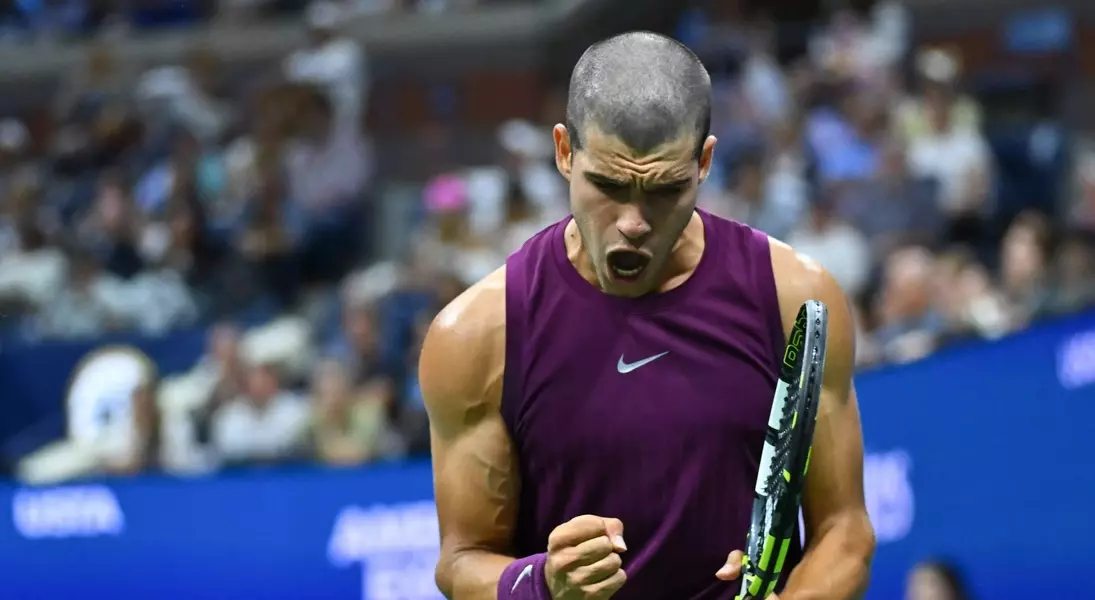
Roddick also criticized the overall tennis calendar, asserting that the sheer volume of tournaments is becoming counterproductive. He pointed to the absence of top players like Carlos Alcaraz and Jannik Sinner from certain events as evidence of an unsustainable schedule. He believes that the current arrangement forces players to compromise their physical and mental health, ultimately leading to withdrawals and impacting the quality of play. Roddick concluded by emphasizing that while players bear the immediate costs, fans also suffer from seeing their favorite athletes unable to compete at their best.
This discussion by Andy Roddick serves as a critical call to action for tennis organizers to re-evaluate the demands placed on players. The frequency and duration of tournaments, especially those held in challenging environmental conditions, must be carefully considered to ensure athlete longevity and maintain the high standard of competition that fans expect. Prioritizing player health will not only benefit the athletes but also preserve the integrity and excitement of the sport.