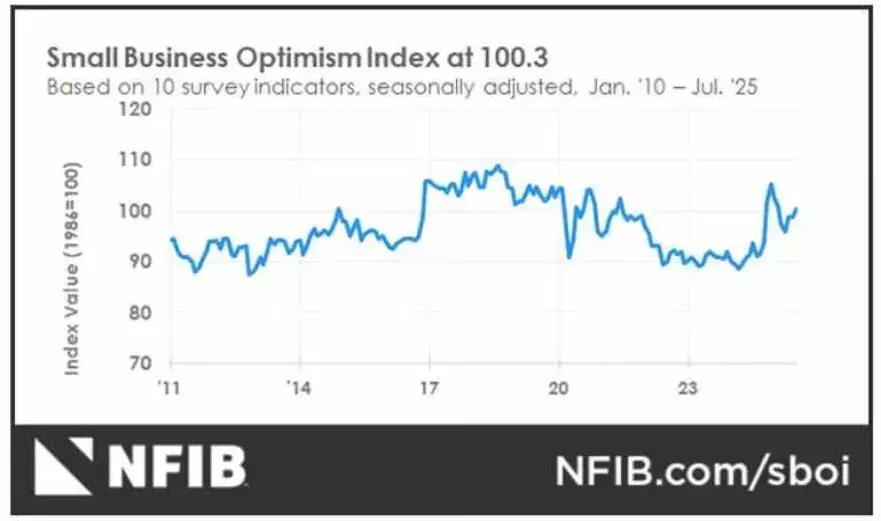
The United States' Leading Economic Index (LEI) experienced an unexpected increase in July, pointing towards a period of moderate economic growth in the near future. This positive shift is primarily attributed to a notable turnaround in the six-month growth rate, which has not been seen in over four years. However, this optimistic outlook is tempered by concerns regarding household spending, especially among lower and middle-income groups, as the rising cost of living continues to exert pressure.
This economic scenario suggests a complex interplay of factors where technological advancements, particularly in artificial intelligence, are expected to fuel business expansion. Simultaneously, everyday financial burdens could constrain the purchasing power of a significant portion of the population. This divergence presents both opportunities and challenges for the overall economic trajectory of the nation.
Anticipating Economic Expansion
The Conference Board's Leading Economic Index for the US recorded a 0.2% increase in July, exceeding projections and demonstrating a significant improvement from the previous month's revised decline. This positive momentum has pushed the LEI's six-month growth rate into positive territory for the first time in over four years, signaling a forthcoming phase of moderate economic expansion. The driving force behind this anticipated growth is expected to be substantial business investments in artificial intelligence, which are poised to innovate and expand various sectors of the economy.
This upward trend in the leading index provides a cautiously optimistic forecast for the national economy, implying that underlying economic conditions are strengthening. The sustained growth rate suggests that the economy is shaking off prior contractions and building resilience. Experts predict that this period of expansion will be characterized by technological advancements and corporate innovation, leading to enhanced productivity and new economic opportunities. The focus on AI investments highlights a strategic shift towards high-tech sectors as key drivers of future prosperity.
Consumer Spending Concerns Amidst Rising Costs
Despite the positive indicators from the Leading Economic Index, the economic outlook remains cautious due to persistent concerns about consumer spending, particularly among lower and middle-income households. The senior manager for Business Cycle Indicators at The Conference Board noted that while most components of the LEI were positive, consumer expectations continued to be a significant drag on the overall index. The escalating cost of living is anticipated to compel these households to curtail their spending, which could act as a considerable constraint on the broader economic recovery.
This caution is substantiated by recent market reactions, such as the significant dip in Walmart's stock, which experienced its largest single-day decline in years. This downturn is directly linked to a noticeable reduction in purchasing by lower-income families, who are feeling the pinch of elevated gasoline prices and other household expenses. While the labor market shows signs of stabilization, it has yet to fully offset the pressure on consumer sentiment, which saw its first drop in three months in August. These factors collectively underscore the vulnerability of consumer demand and its potential to dampen overall economic growth, even as other sectors show strength.