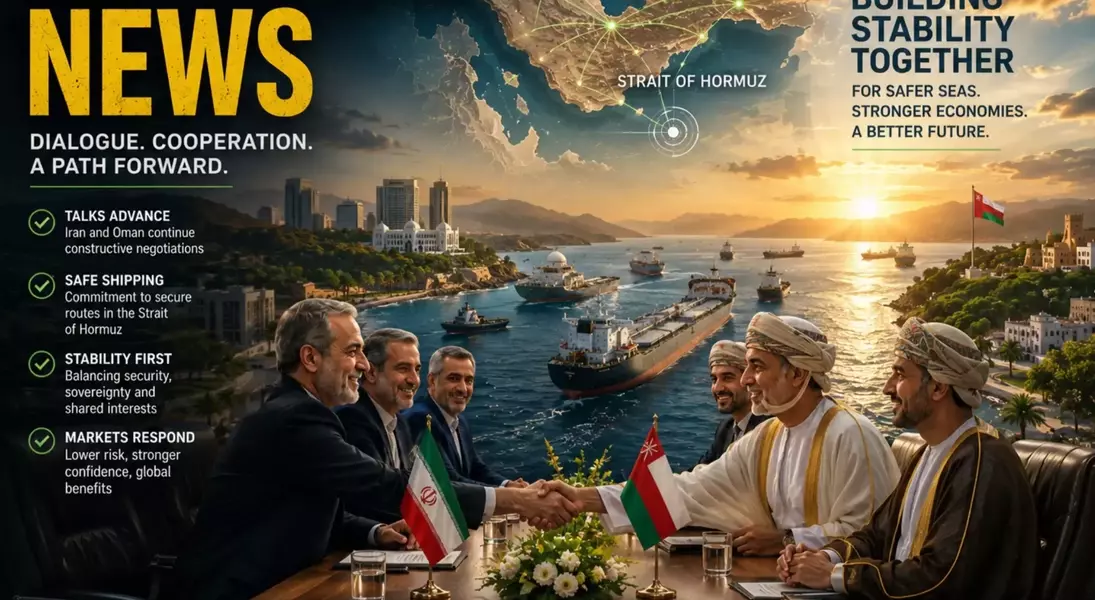
In a significant development concerning global energy security, Iran and Oman are actively engaged in ongoing negotiations to formulate a comprehensive framework for the regulation and protection of commercial shipping within the Strait of Hormuz. This vital maritime passage, recognized as one of the world's most critical chokepoints for energy transport, is the subject of collaborative efforts aimed at ensuring both secure transit routes for vessels and the preservation of each nation's sovereignty and national security. The dialogue, confirmed by Iran's Foreign Ministry, signifies a concerted push towards regional stability and predictable maritime operations.
The discussions between Tehran and Muscat are reportedly progressing positively across various levels, encompassing both technical and political considerations. Officials from both countries are dedicated to developing practical mechanisms that will govern future shipping traffic through the Strait. This collaborative approach seeks to strike a delicate balance: facilitating unimpeded navigation for commercial ships while simultaneously respecting the inherent rights and security concerns of Iran and Oman. The spokesperson for Iran's Foreign Ministry indicated that further details regarding any finalized agreement or the specifics of the proposed framework would be released upon the successful conclusion of these talks, highlighting the careful and deliberate nature of the process.
The geopolitical significance of the Strait of Hormuz cannot be overstated, as it serves as a gateway for a substantial portion of the world's oil supply. The ongoing negotiations between Iran and Oman underscore the shared commitment to maintaining the flow of international trade and energy resources, while also addressing the complex security dynamics of the region. The focus on establishing clear protocols and a cooperative management structure is essential for preventing misunderstandings and ensuring smooth passage for the thousands of vessels that traverse these waters annually. The engagement reflects a diplomatic endeavor to foster mutual understanding and create a durable system for maritime governance.
Against the backdrop of these diplomatic efforts, global crude oil prices recently experienced a notable decline, dropping by .13, or 5.17%, to .21. The price temporarily dipped to .16, moving below its 200-day moving average of .93, before showing signs of recovery. While the market fluctuations in oil prices occur independently, the stability and predictability of shipping lanes in critical regions like the Strait of Hormuz can indirectly influence global energy markets by impacting supply chain confidence and perceived risks.
Ultimately, the continuous engagement between Iran and Oman regarding the management of the Strait of Hormuz represents a crucial diplomatic undertaking. The successful establishment of a comprehensive framework for maritime navigation in this strategic waterway would not only bolster regional security but also contribute positively to global trade and energy stability. The emphasis on balancing international maritime law with national sovereign interests is central to achieving a sustainable solution for one of the world's most sensitive and economically vital shipping corridors.